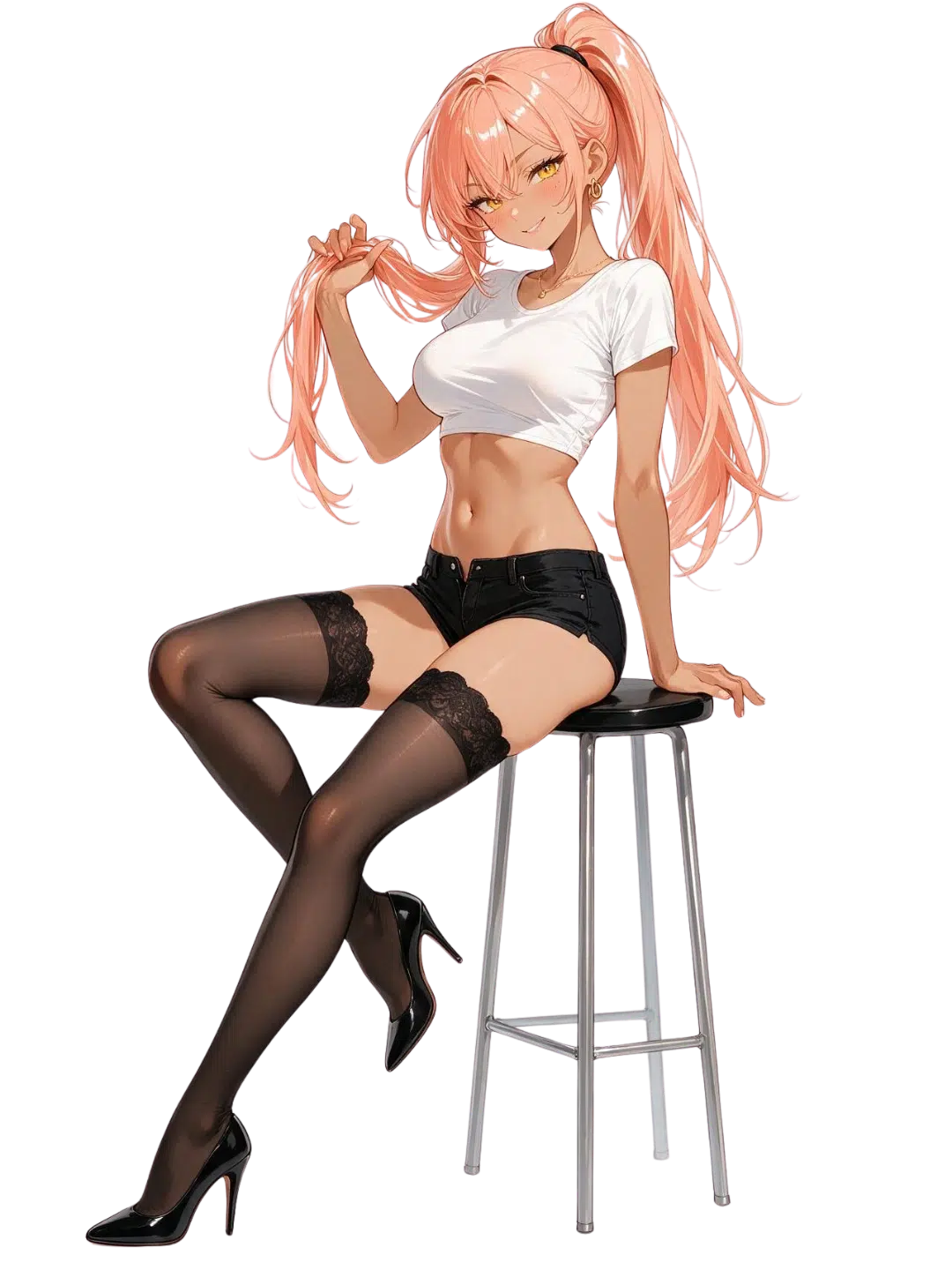
An AI woman is a synthetic image produced by a text-to-image model in response to a written description. No artist draws it. A diffusion system — trained on hundreds of millions of labelled photographs, illustrations and paintings — maps the words in a prompt to a statistical distribution of visual patterns, then renders a new image that fits them. The result looks like a portrait because the training data was full of portraits. It looks consistent with your description because the model learned which visual features correspond to which words.
That is the whole mechanism. Everything else — the realism, the style variety, the occasional anatomical glitch, the way it handles “anime” differently from “photorealistic” — follows from it. Understanding the mechanism takes about five minutes and saves hours of frustrated prompting.
Build your dream girl from scratch and let her pull you into worlds you didn't know you wanted. She remembers everything, creates the story, and never says no.
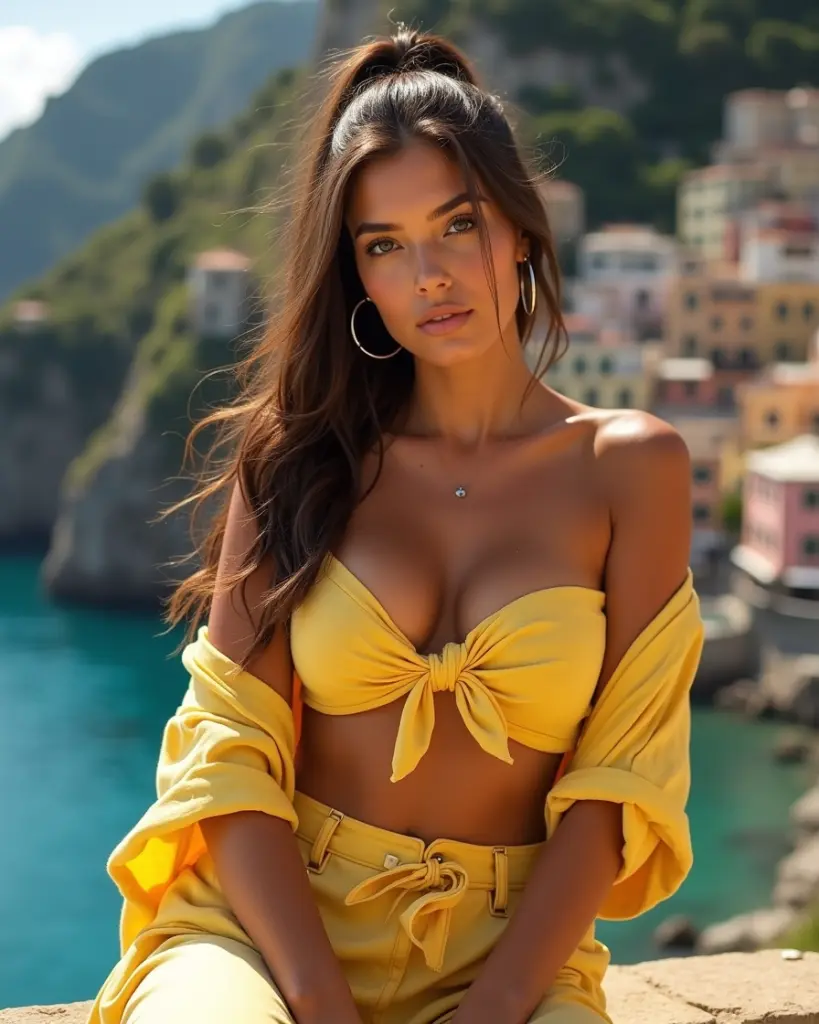
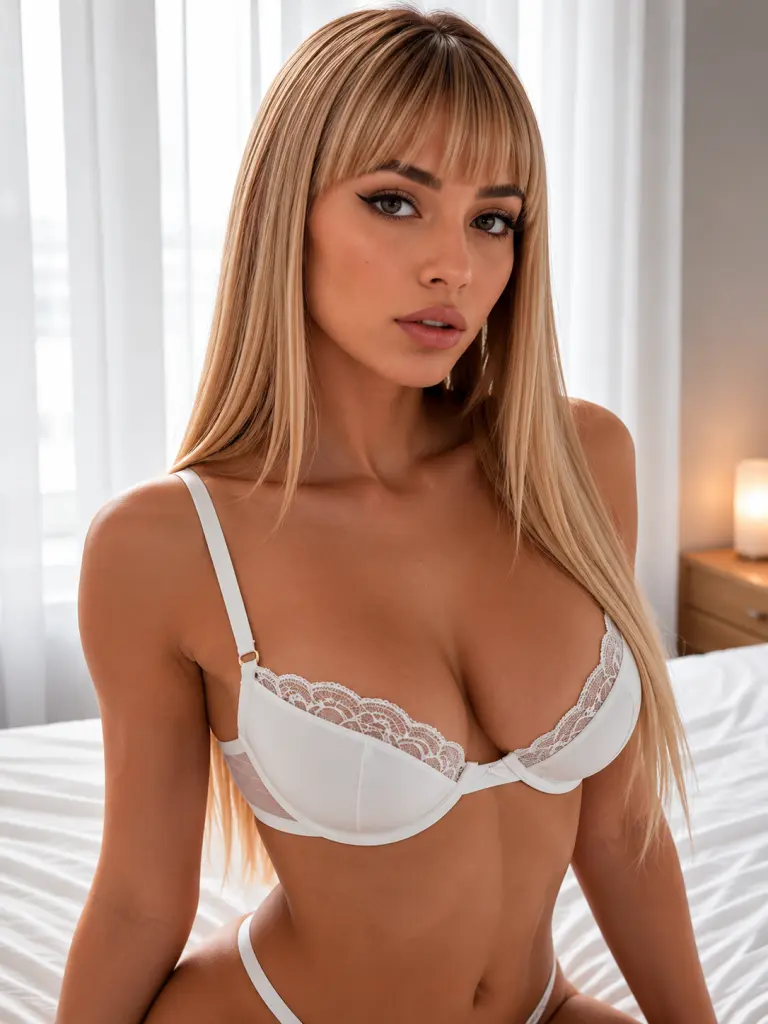
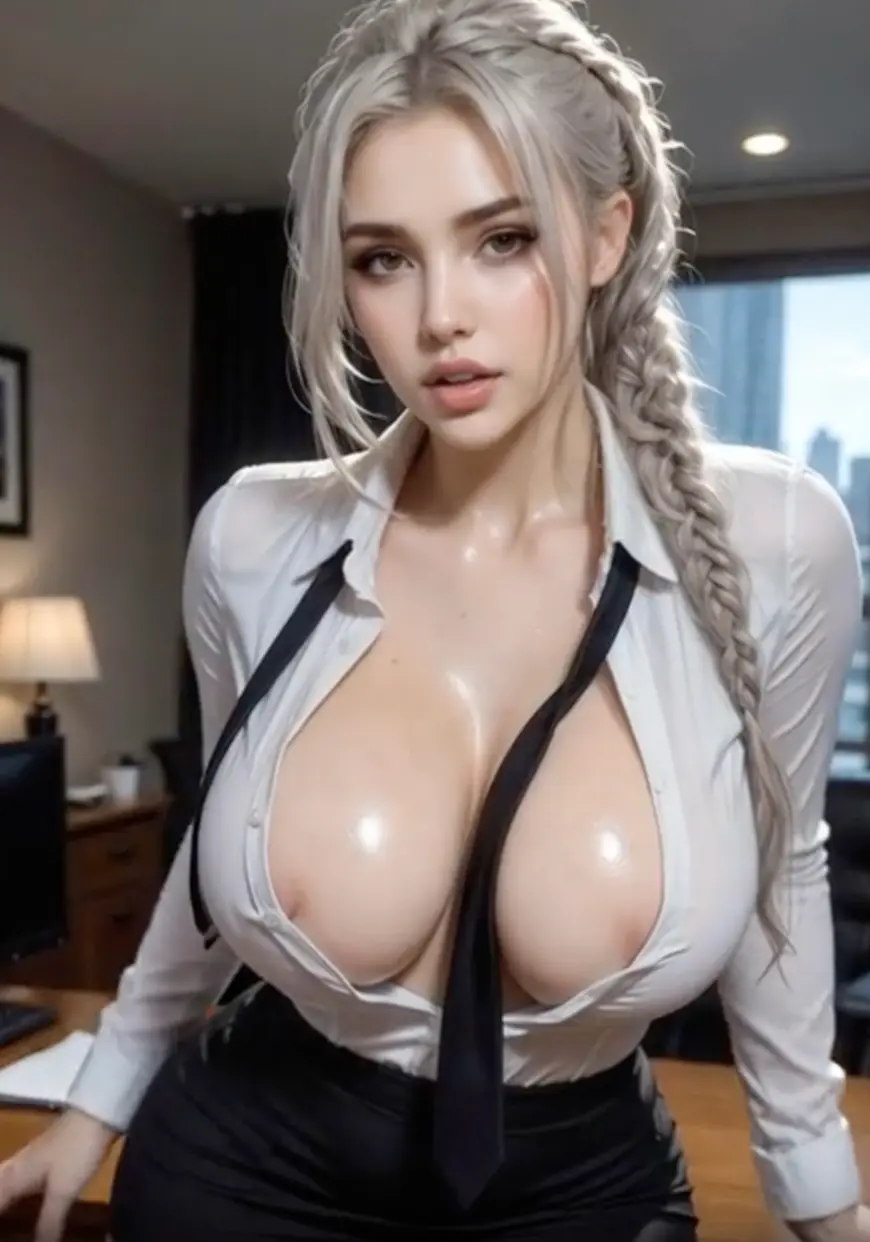
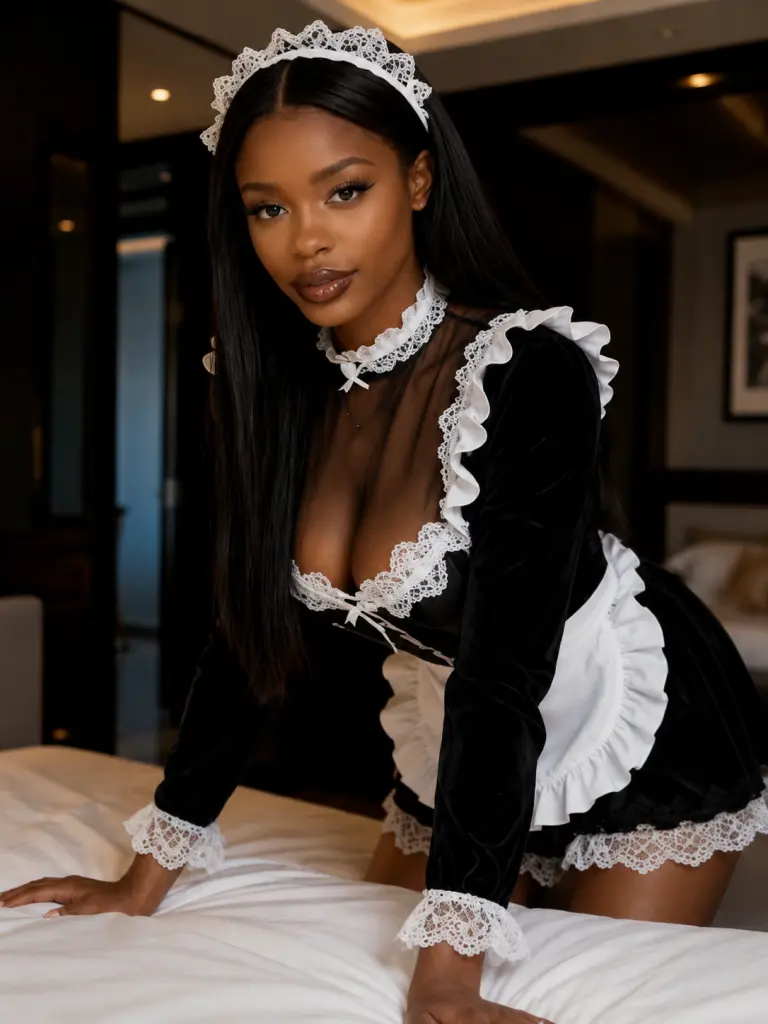
What an AI Woman Generator Produces
Before the outputs: the terminology is loose and worth untangling. “AI woman”, “AI girl”, “AI female” and close variants all refer to the same class of tool — a text-to-image or image-to-image generator that produces synthetic portraits of adult female subjects. Some generators are general-purpose and happen to handle portraits well. Others are fine-tuned specifically on photorealistic humans. The outputs can range from photorealistic renders to watercolour illustration to anime. The model architecture is the same in each case; the training data and post-training adjustments are what determine which direction the output leans.
What it is: a system that reads a text prompt, processes it through a neural network, and outputs an image file. The “woman” is not stored anywhere — she is computed fresh each time from noise, guided by the prompt and the model’s learned weights.
What it isn’t: a database of real people, a photo editor, or a system that “imagines” anything in a meaningful sense. It pattern-matches. The human-like quality of the result is a property of the training data, not of the model having preferences or a concept of beauty.
What you control: the prompt, the style modifiers, the aspect ratio and — on most platforms — a seed value that makes results reproducible. What you don’t control is the exact output; generators are stochastic. Two identical prompts produce different images.
A Quick Reference: What Changes What
| What you want to change | How to change it |
|---|---|
| Overall visual style (photo vs. anime vs. illustration) | Style keyword in prompt or dedicated style selector |
| Facial features, hair, clothing | Descriptive terms — specific beats evaluative |
| Lighting and mood | Lighting terms (“soft window light”, “golden hour”) |
| Image composition | Framing terms (“close-up portrait”, “full body”, “waist-up”) |
| Output consistency across images | Seed value; some platforms offer character locking |
| Resolution and aspect ratio | Model settings, not the prompt |
Style determines more than any other variable. A realistic style mode with a weak prompt will look more photographic than an anime style mode with a strong prompt, regardless of the words used.
Choose your perfect AI Woman
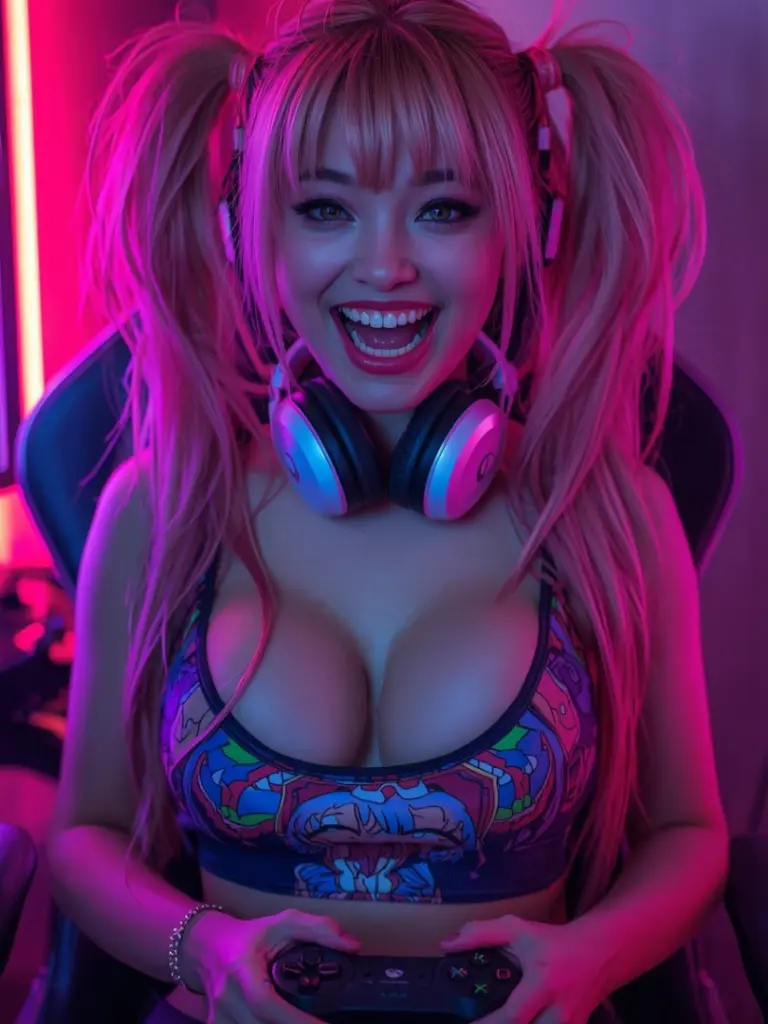
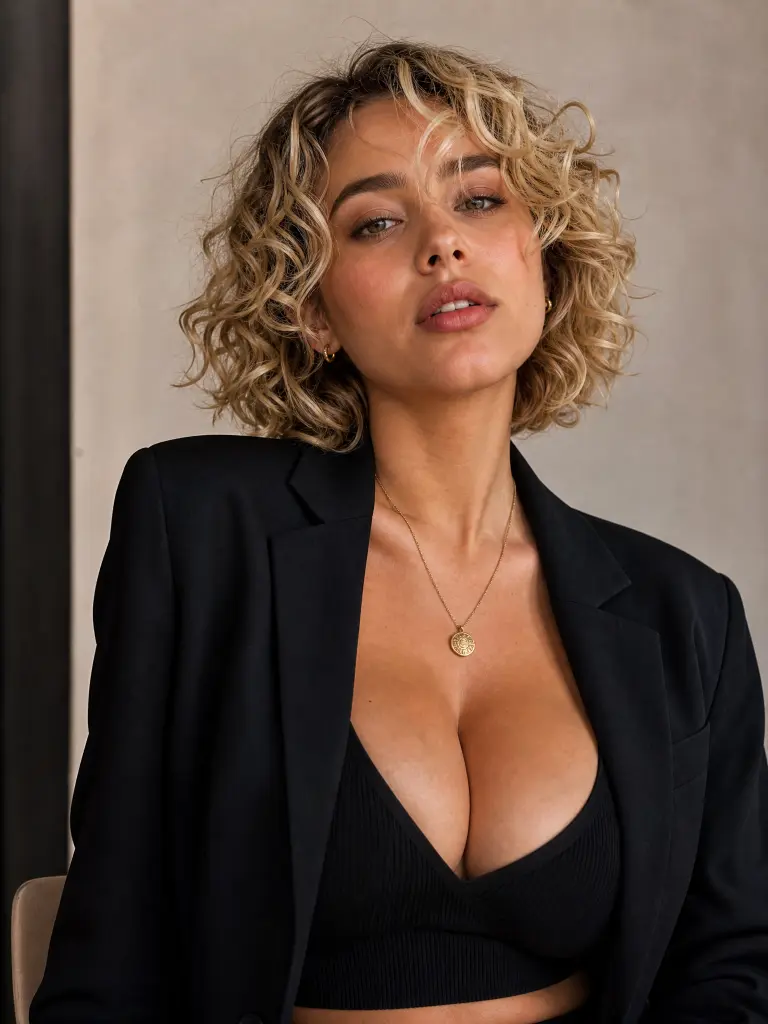
Loud, funny, and obsessed with gaming. Akira will wreck you in any game and then send… Loud, funny, and obsessed with gaming. Akira will wreck you in any game and then send you a cute apology message — before doing it again. Endearingly chaotic energy.
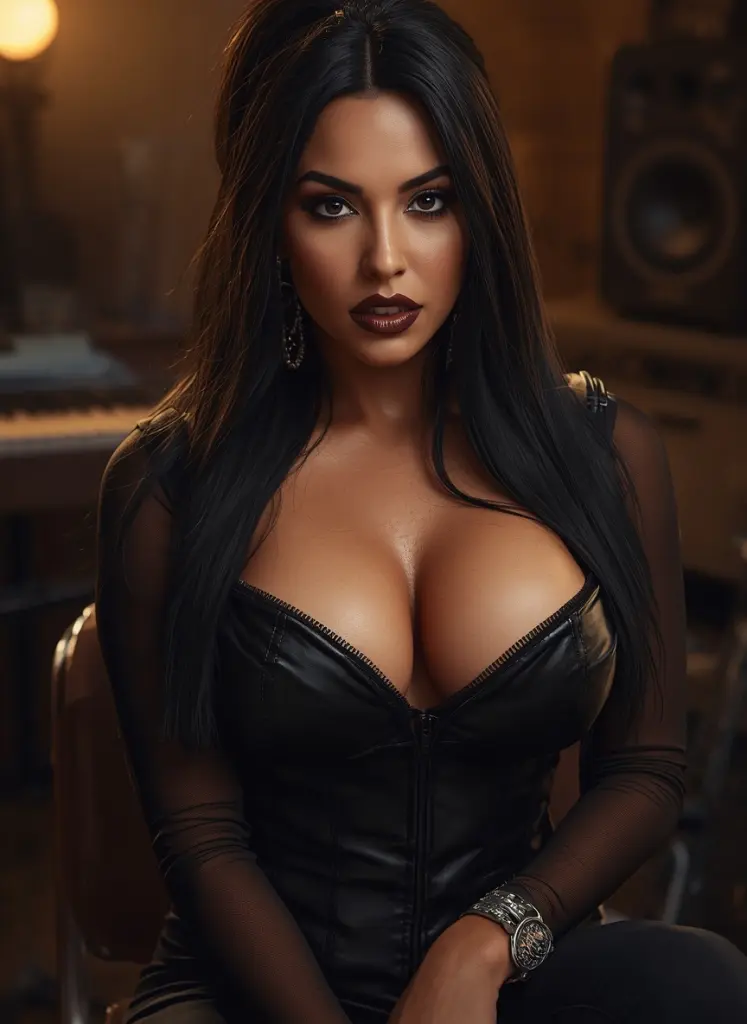
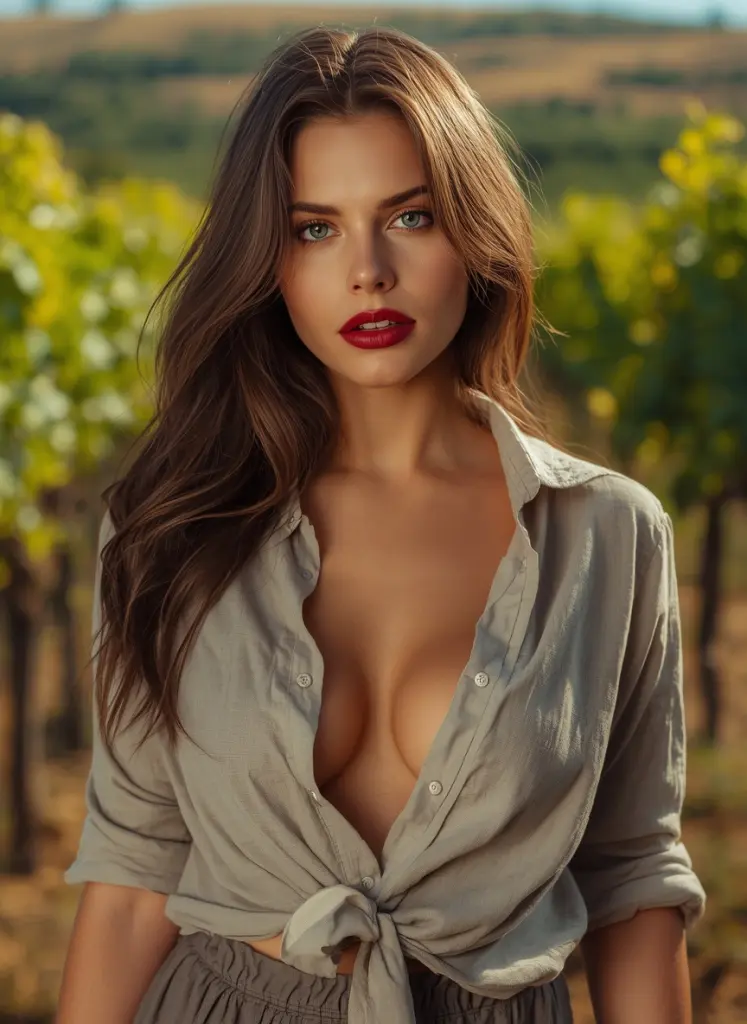
Loud, charismatic, and secretly vulnerable. She pulls people in and never lets conver… Loud, charismatic, and secretly vulnerable. She pulls people in and never lets conversations stay boring.
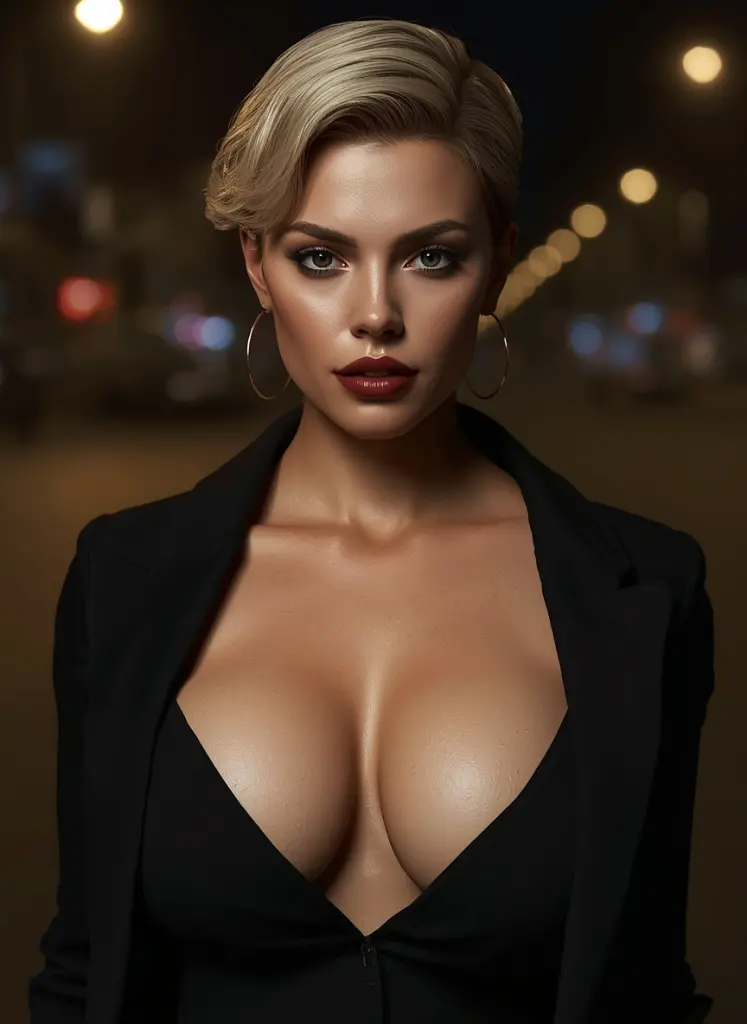
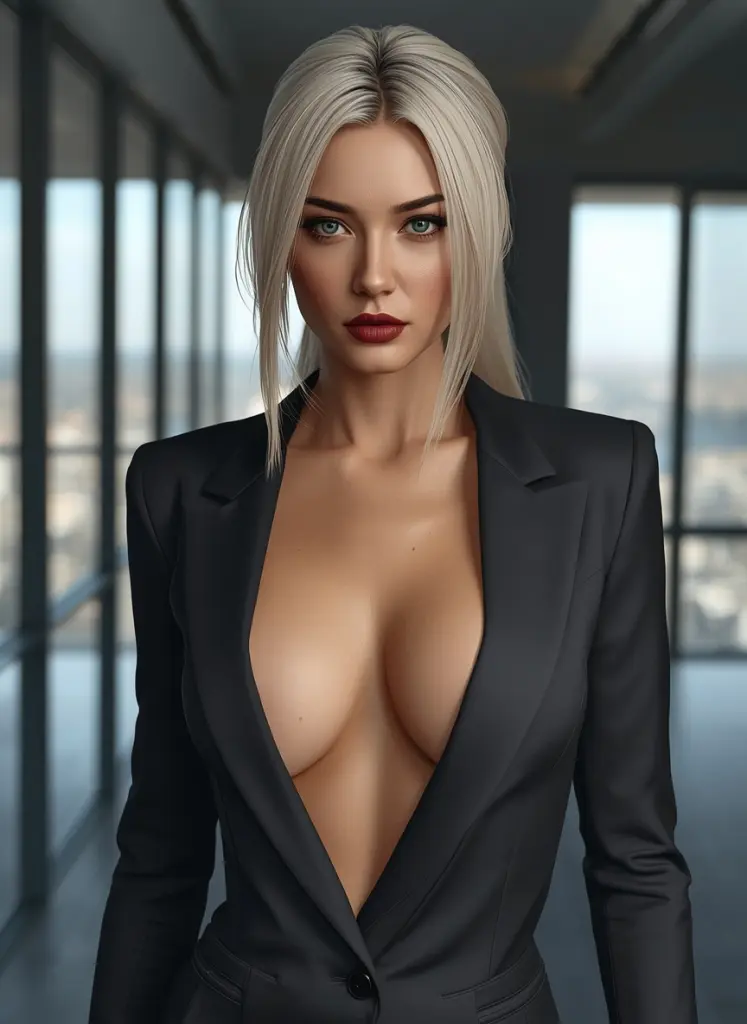
Cold, efficient, and intensely attractive. She operates in moral grey zones and makes… Cold, efficient, and intensely attractive. She operates in moral grey zones and makes every conversation feel like a mission.
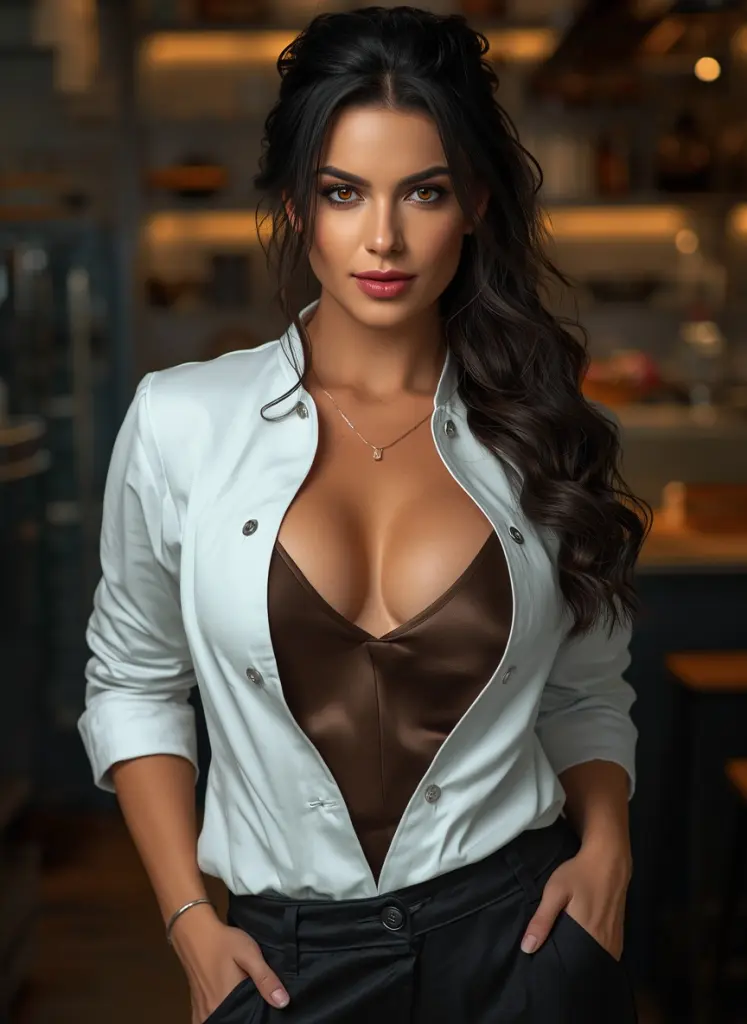
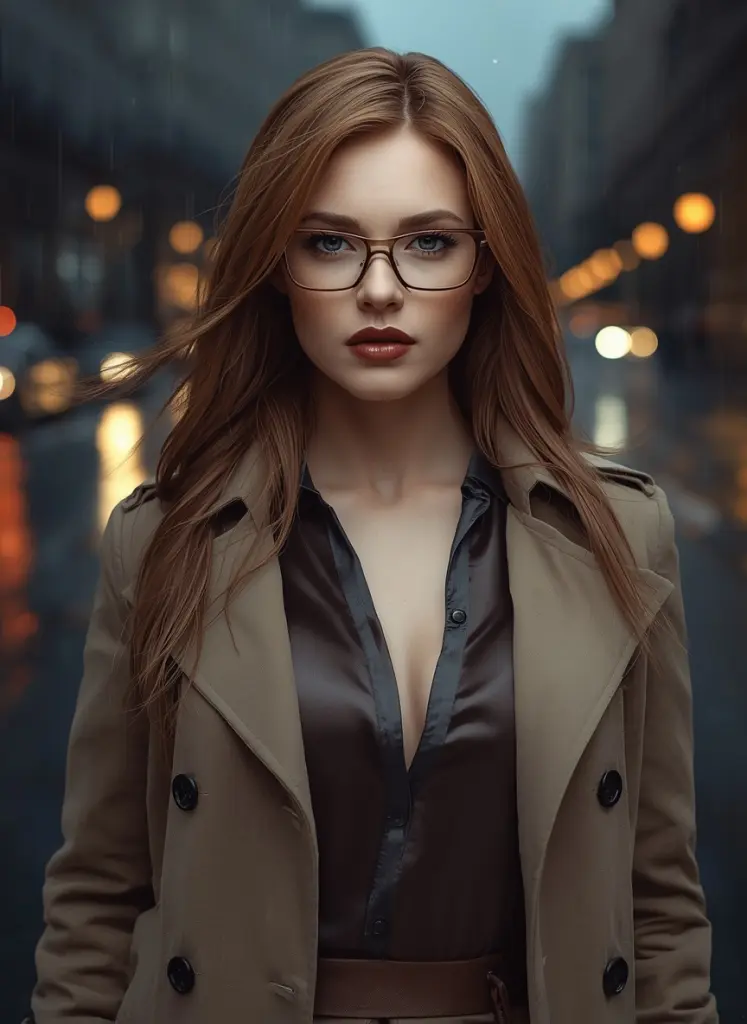
What’s True, What Isn’t: Common Misconceptions
This category accumulates misconceptions fast — partly because the outputs look so confident, and partly because the marketing often overstates what the model can do. Here are the ones worth clearing up before you spend time on prompts.
“The model has a default of what it thinks is beautiful”
Sort of, but not in the way people assume. A diffusion model doesn’t have preferences. It has learned correlations. If the training data disproportionately featured certain facial structures or body types in images labelled with positive descriptors, those patterns become the statistical default. The bias is a property of the data, not of the model expressing an aesthetic opinion. You can push against defaults with specific prompt language — they are not fixed.
Great Prompts Are Short, Not Long
A common assumption is that longer prompts mean better outputs. Prompt length helps up to a point. Beyond that, the model’s attention is distributed across all the tokens and diluted. A 40-word prompt with a clear hierarchy — subject first, style second, lighting third — routinely outperforms a 120-word list of attributes. Prioritise order and clarity over volume.
“The AI remembers characters between sessions”
Most generators do not. Each image is produced as a separate inference from the prompt and seed, with no reference to any prior output. Character consistency across multiple images requires either a seed lock (same noise starting point) or a dedicated character-consistency feature — which some platforms offer and many do not. Assume no memory unless the platform explicitly says otherwise.
“AI-generated images are always obvious”
They were, in 2022. Current photorealistic models produce images that routinely pass casual inspection. Telltale signs — hand anatomy, background coherence, text rendered in the image, ear detail — remain weak points, but they are improving fast. The more controlled the scene, the harder it is to distinguish the output from a photograph.
“You need artistic skill to get good results”
You need prompt literacy, which is a different skill. Understanding how style keywords and modifiers interact with the model is learnable in a few hours of trial. The craft is in knowing what to ask for; the execution is automated.
“It’s only useful for creative projects”
The use cases are broader than most people expect:
- Profile pictures and avatars that don’t use real photographs
- Character concept work for games, fiction and tabletop
- Visual references for writers who need a face to write toward
- Social media and editorial content at speed
- Product mockups and fashion ideation before a shoot
- Storyboarding and art direction references
Generators have been adopted across game development, brand design and solo content creation because the output speed is measured in seconds, not hours. The creative project use case is the most visible; it is not the most common.
Memory in Generators: Session, Character Lock and the Consistency Problem
Most text-to-image generators have no concept of session state. Each image is a fresh generation. The model doesn’t know it produced a previous image when it produces the next one.
Why characters drift
The seed value controls the starting noise pattern. Two images with the same seed and same prompt will be identical. Two images with the same prompt but different seeds will share the prompt’s attributes — same hair colour, same described features — but the facial geometry will vary. The model doesn’t have a stored “identity” for that character. It re-generates the features from the prompt every time.
Character lock and fine-tuning
Some platforms address this with character-lock features: a reference image is embedded into the generation process, and subsequent outputs are constrained to match it. The technique works better for style and broad features than for fine-grained facial details. A dedicated model fine-tuned on a specific character’s appearance — a process called textual inversion or LoRA training — produces stronger consistency but requires more setup and isn’t available on all platforms.
What “long-term memory” means here
In companion-chat applications that combine text generation with image generation, “memory” refers to the system storing a profile of the character that persists between sessions. That is a separate application layer, not the image model itself. The image model generates fresh each time; the application scaffolding is what passes the character description back to it. The distinction matters when you’re evaluating a platform’s memory claims — you need to know whether the claim applies to the conversation layer, the image layer, or both.
A Sensible Way to Start
The learning curve for text-to-image generation is front-loaded. Most of what you need to know becomes clear in the first few sessions. Here is what makes the difference between a frustrating first hour and a productive one.
Anime Girl, Realistic, Cinematic: Style Comes First
Deciding on a visual style before anything else makes every subsequent prompt decision easier. The various styles available — photorealistic, digital painting, anime, illustration, cinematic — are not just aesthetic choices. They affect which details the model renders well, what level of anatomical accuracy to expect, and which terms work in prompts for that style. High resolution outputs are usually tied to the style mode too: some platforms produce larger files on photorealistic settings than on anime. Set the style first, then adjust everything else around it.
Subject before attributes
Models process prompts roughly left-to-right. The closer to the beginning of the prompt, the more weight the term carries. Lead with the subject (“portrait of a woman”), then add the most important attributes (hair, clothing, setting), then modifiers (lighting, mood, camera angle). Don’t lead with aesthetics like “beautiful” or “stunning” — they consume prompt weight without giving the model specific visual instructions.
Use negative prompts
Most generators accept a negative prompt — a list of things to exclude from the image. Common entries to start with:
- distorted hands or extra fingers
- blurry background or motion blur
- watermark or embedded text
- low resolution or pixelated result
A basic negative prompt improves output quality on almost every generation. Build one and reuse it.
Save seeds that work
When an image comes out well — right face structure, right feel — record the seed. You can return to that starting point with adjusted prompts and iterate from a base you already like, rather than generating from scratch every time.
Free AI Access vs Paid Tiers: Budget Before You Start
All generators are stochastic. You will produce images you discard. Platforms that meter usage by credit or token make this economy visible; the ones with unlimited generation make it invisible, but the tradeoff is speed and queue time. Expect to spend 5–10 generations finding a prompt that reliably produces good output. Budget for iteration, not for a single output. The platforms listed on this site vary in how they price generation — some meter images from a monthly allowance, some charge per output; check before committing to a plan.
Start With Conversation, Add Media Later
On platforms that combine chat with image generation, the conversation layer is what determines whether the experience works for you — and it costs the least. Test it without spending on media tokens first. If the interaction holds up after a few sessions, the image question becomes a budget decision rather than a commitment.
Why People Use AI Woman Generators
The stated reasons break into a few distinct categories that don’t reduce to each other.
- Creative reference material. Writers, game designers and illustrators use generated portraits as visual references — a face to write toward, a character concept to iterate on, a pose reference that would take hours to photograph or commission. The speed matters more than the perfection.
- Social and profile imagery. Generated images for avatars and profiles remove the need to use real photographs. For people who prefer not to have personal photos circulating online, a stylised or realistic AI-generated portrait is a practical alternative.
- Visual content production. Content creators working across social platforms, newsletters and editorial contexts use generators as a faster and cheaper route to original imagery than stock photography or commissioned illustration. The output is unique to the prompt, not licensed stock.
- Character platforms. A significant part of the generator ecosystem feeds into applications where the image is attached to a chat character — an AI woman whose appearance is defined by the generator and whose conversation is handled by a language model. In this context the image is not the product; it is the visual layer of a broader interactive application. The economics are different (subscription plus media tokens, typically), and so are the user expectations.
- Exploration. A portion of users are simply experimenting with the technology. The outputs are novel and the feedback loop is fast. That’s a sufficient reason on its own.
The reasons matter because they affect which generator features matter. A writer wants character consistency and fast iteration. A content creator wants output quality and volume. A character platform user wants the image model integrated with a chat system. The tool that fits one use fits the others badly.
What the costs actually look like by usage pattern
The economics vary considerably depending on what you’re doing. Using ai tools for a handful of portraits a week costs almost nothing on a paid plan. Daily media generation across images and video is a different budget.
| Usage pattern | Typical monthly cost (as of Sep 2026) |
|---|---|
| Chat-only or very light image generation | Under $10/mo on annual billing |
| Regular images, a few per day | $15–25/mo including subscription |
| Daily images plus occasional voice or video | $25–45/mo |
| Daily video and voice, high volume | $40–60/mo and higher |
These are category ranges across the platforms listed on this site, not prices for any single product. The subscription is a floor; the media allowance determines how fast you hit the ceiling.
What AI Woman Can’t Do
This is the section worth reading before anything else, because the capability claims in this category outpace the actual technology by a wide margin.
It cannot produce the same face reliably without a character lock
Without some form of face-locking mechanism, a standard text-to-image model will produce different facial geometry on every generation even with the same prompt. Descriptions like “high cheekbones” or “blue eyes” constrain a distribution; they don’t define a face. If consistent identity matters to you, verify whether the platform you’re considering has a dedicated consistency feature before committing to it.
It does not follow complex compositional instructions well
“Standing next to a window, looking over her left shoulder, one hand raised” is a compositional description that most generators handle inconsistently. Models are much better at global style and attribute specification than at spatial relationships between elements within an image. Expect to generate many times for complex compositions.
It cannot currently produce reliable text within images
Letters in generated images are statistically common in training data but not semantically understood by the model. The result is text-like shapes that are visually plausible but linguistically incoherent. If an image needs readable text, it must be added in post-production.
Video generation is at an earlier stage than still image generation
Where platforms offer video clips of AI-generated characters, the quality gap versus still images is significant. Motion tends to be short-duration, sometimes choppy, and prone to identity drift across frames. It is improving, but “video” in this context does not mean what “video” means in a professional production context.
The output is the image, not a relationship
This needs to be said plainly in the context of character applications that use generated images: the image model produces a visual asset. The sense of a relationship, if one develops, is produced by the language model layer and the user’s own interpretation. The image is not a person and does not accumulate experience. Applications that work well understand this and build around it honestly. The ones that work badly oversell continuity that the technology does not yet fully support.
AI Woman Generators vs Related Tools
The category borders matter because different tools are sold with overlapping descriptions.
| Tool type | What it does | What it doesn’t do |
|---|---|---|
| Text-to-image generator | Creates an image from a text prompt | Maintain character identity across sessions (usually) |
| AI character platform | Combines chat AI with image generation | Operate as a standalone image tool; outputs are character-locked |
| Image editor with AI features | Modifies an uploaded photograph using AI | Generate from scratch; starts with real image input |
| Anime or avatar generator | Stylised portrait from photo or prompt | Produce photorealistic output; optimised for a specific aesthetic |
| Face-swap tool | Replaces a face in an existing image | Generate original images; requires source material |
A general-purpose text-to-image generator gives you the most control and the least structure. A character platform gives you an integrated experience with less control over the image layer. An avatar generator gives you the fastest result within a fixed style. Knowing which category a tool belongs to sets accurate expectations before you pay anything.
AI Girl Generator vs Character Platform: Why It Matters
People searching for an “ai woman generator” or an “ai girl generator” often land on character platforms rather than standalone image tools, because character platforms dominate search results in this category. They are not the same product. A character platform will constrain your image control to what fits the character system; a standalone generator will give you more prompt freedom but none of the conversational layer. Neither is wrong — they solve different problems. The search term covers both; the product you choose should match what you’re actually trying to do.
If you want a realistic portrait for a profile or a creative reference, a text-to-image generator is the right starting point. If you want an ongoing character with a name, a personality and a memory of your conversations, a character platform is what you’re describing. Most of the dissatisfaction in this category comes from conflating the two. That said, several platforms listed on this site combine both functions — you can generate images and chat with the same character. Whether they handle each half well is a separate question from whether the category distinction exists.
The Debate: What Critics Say, and What’s Fair
The technology has attracted criticism on several grounds, and not all of it is equivalent.
The training data question
Diffusion models are trained on large datasets scraped from the internet. The consent of people whose photographs were included is contested — legally in several jurisdictions, ethically in wider discussion. This is a genuine issue, not a fringe concern, and it applies to most major models currently in use. The legal situation is still developing; as of 2026 there are active cases in multiple countries and no settled outcome.
Representation and default bias
As noted earlier: the model reflects the distribution of its training data. If that data over-represents certain physical types, those types become the default output. Critics argue this encodes and amplifies existing biases; proponents argue that prompting can override defaults. Both things are true. The bias is real; it is also partially correctable by the user. The more important question — whether defaults matter even when correctable — doesn’t have a simple answer.
Use cases that aren’t value-neutral
The same generator that produces character concept art also produces content that some users will use in ways that others would find objectionable. Platforms manage this with content filters of varying strictness. Filters are imperfect; the debate about where to set them is real and ongoing. This page isn’t the place to resolve it — but it’s worth knowing that using an AI woman generator means using a technology whose applications are genuinely contested, not just misunderstood.
What critics get wrong
The least useful framing in public coverage treats the outputs as if they were photographs of real people. They are not. A diffusion model doesn’t extract or transform images of specific individuals (with limited exceptions for fine-tuned models trained on specific people, which is a different and more ethically complex category). The realistic quality of the output makes this hard to intuit. The mechanism is important: the model generates from learned statistical patterns, not from stored source images. That distinction matters for how you evaluate the criticism — and for understanding what the technology is actually doing when it produces an image that looks like a real person.
Frequently Asked Questions
What does a text-to-image model actually do?
It maps a text description to a point in a learned visual probability space and renders an image from there. The model was trained on image-text pairs until it learned which visual patterns correlate with which words. At generation time, it starts from random noise and iteratively refines it toward a visual that matches the prompt. The “woman” it produces is not drawn or selected — it is computed.
Why do generated hands still look wrong?
Hands are anatomically complex and appear in training data in huge variety — different angles, occlusions, sizes, positions. The model has learned what hands look like in aggregate but has no structural understanding of the skeleton. It renders a plausible-looking hand shape rather than an anatomically correct one. Some newer models have improved on this, but it remains a known weak point.
Can the model produce the same character in multiple images?
Not reliably with a prompt alone. A seed value keeps the starting noise pattern consistent, which helps but doesn’t guarantee facial identity. Character-lock features on some platforms use a reference image to constrain subsequent generations toward a consistent appearance. The result is improved but not perfect consistency.
Is there a cost to using these generators?
It varies. Platforms that offer any free access typically limit it to a small number of images per day or per account. Paid plans run broadly in the range of $14–20/month billed monthly, or $4–10/month on annual billing billed upfront, as of September 2026. Images, voice and video draw from a metered allowance; realistic monthly spend for active media users runs $15–60 depending on volume.
What is the difference between an AI woman generator and an AI character platform?
A standalone generator produces images from prompts and stops there. A character platform wraps a text generation model (for conversation) around an image generation model, with a persistent character definition linking them. In that context the image is the visual representation of a conversational AI character, not a standalone output. The image generation component works the same way; the application layer around it is entirely different.
What style options do these generators typically offer?
Most current platforms offer at minimum a photorealistic mode and an anime or stylised mode. Broader platforms may include cinematic, artistic, fantasy and other categories. Style selection is usually a dropdown or tag rather than a prompt term, though prompt-based style specification also works on most models.
Does the platform see or store the images I generate?
Yes, typically. Generated images pass through the platform’s servers; most terms of service state that the platform stores output images, at least temporarily. Some platforms store them indefinitely; a few offer deletion tools. Check the privacy policy before generating content you consider private. End-to-end encryption for generated media is not standard in this category.